YouTube Summarizer of your
Favourite Channels with AI
You Choose the Channels
We Deliver the Insights
Straight to Your Inbox
Get concise, actionable insights delivered instantly each time a new video drops.
Save time, learn faster, and never miss key insights with CoreTube.
Plus, summarize any video instantly with our Chrome extension.

44 Harsh Truths About The Game Of Life - Naval Ravikant (4K)
Chris Williamson
March 31, 2025
Chris Williamson - Podcast Video Summary
Overview
Happiness is fundamentally about satisfaction and peace rather than constant achievement, while success often stems from dissatisfaction and desire—creating a paradox where pursuing material goals may undermine the very contentment we seek. Naval Ravikant explores how freedom, authenticity, and presence form the foundation of a meaningful life, arguing that self-prioritization and alignment with one's values produce both happiness and success simultaneously. The conversation challenges conventional wisdom about suffering, ambition, and status games, proposing instead that understanding over discipline, exploration over commitment, and detachment from outcomes create optimal conditions for fulfillment and impact.
Detailed Analysis
The Paradox of Happiness and Success
- Happiness requires satisfaction with what you have; success requires dissatisfaction and wanting more—these appear contradictory but can coexist through redefining what success means.
- The Socrates story illustrates that not wanting something provides the same freedom as having it; Diogenes achieved happiness through renunciation while Alexander sought it through conquest.
- As you become more peaceful and present, you don't lose ambition but instead pursue bigger things that are more aligned with your values and unique capabilities.
- Realization that happiness can increase success typically requires experiencing material success first; attempting the ascetic path without trying material achievement feels unrealistic and painful.
- The marshmallow test principle—delaying gratification for long-term gain—must be balanced against becoming a suffering addict who confuses pain with progress rather than focusing on outcomes.
Reframing Suffering and the Journey
- Suffering is primarily mental anguish and resistance to tasks, not physical pain; the question becomes whether it's more effective to suffer or reinterpret the experience as non-suffering.
- Successful people often regret not enjoying the journey more, suggesting that presence and engagement during the process matter more than the final outcome.
- Retrospective analysis—imagining yourself 5, 10, 20 years ago and asking what advice you'd give—reveals that most regrets involve emotional turbulence rather than different choices; doing things with less anger and internal suffering would have been superior.
- The normal cycle of desire involves boredom → wanting → suffering/anticipation → fulfillment → adaptation → boredom again; happiness requires breaking this loop through presence rather than achievement.
- Money solves money problems but doesn't create lasting happiness; studies suggest lottery winners and those who break their backs return to baseline happiness within two years, though earned success may linger longer due to pride and accomplishment.
The Desire Shortcut and Selective Wanting
- Desire is the source of unhappiness; most people accumulate unnecessary desires and opinions everywhere, making them choosy about wants essential for both success and contentment.
- Focus requires selectivity; you cannot be great at everything, so eliminating desires and opinions on non-essential matters preserves energy for what matters.
- Wanting the right things is as important as getting what you want; many people pursue booby prizes—things that create their own problems or don't align with genuine values.
Fame: Status, Cost, and Authenticity
- Fame provides status, access, and attraction but costs privacy, consistency, and freedom; it's best pursued as a byproduct of doing something worthwhile rather than as a primary goal.
- Earned fame through contribution to larger groups (artists, scientists, leaders) differs fundamentally from hollow fame based on visibility alone; the latter is fragile and requires constant performance.
- Public proclamations create hostages to fortune—you become locked into past statements and must maintain consistency, preventing learning and evolution.
- Authenticity is increasingly rare and valued; people detect inauthenticity through bullshit radars and are drawn to those who genuinely believe what they say, even if they're wrong.
- Updating beliefs and correcting errors are signs of learning, not hypocrisy; the distinction lies between genuine error correction and lying to maintain status.
Status Games vs. Wealth Creation
- Status games are zero-sum, limited, and combative; wealth creation is positive-sum, unlimited, and collaborative—fundamentally different in nature and sustainability.
- Historically, status was the only game because wealth couldn't be stored; modern society enables wealth creation at unprecedented scale, yet people remain evolutionarily hardwired for status.
- Wealthy people often trade money for status through Hollywood, philanthropy, and exclusive venues because status is novel and requires intellectual understanding rather than limbic satisfaction.
- Trajectory matters more than position; the deceleration of rising status is more painful than absolute rank, reflecting evolutionary programming to avoid loss.
- Focusing on wealth creation over status competition is more pleasant, productive, and materially rewarding; status cannot be exchanged at banks.
Self-Esteem and Internal Reputation
- Self-esteem is the reputation you have with yourself; it's damaged when you violate your own moral code and built through living up to your values and sacrificing for others.
- Unconditional love in childhood creates self-confidence and agency; those lacking it can practice the internal golden rule—treating yourself as others should have treated you.
- Self-respect comes from integrity and alignment between actions and values, not from external validation or self-reflection focused on ego.
- Love is better experienced as the feeling of loving rather than being loved; the former is expansive and transformative, while the latter can feel constraining.
Pride as the Most Expensive Trait
- Pride prevents learning and correction; it locks you into local maxima and suboptimal positions by making it difficult to admit error or change direction.
- Successful people maintain the ability to start over, look like fools, and reset to zero; pride about past success or status prevents this necessary flexibility.
- Willingness to start over is essential for creating anything great; zero to one requires humility and acceptance of failure.
Freedom Through Ruthless Prioritization
- Freedom comes from saying no by default to everything except what genuinely matters; past self commitments destroy present self agency and flow.
- Inspiration is perishable; acting immediately on curiosity and desire produces better learning and outcomes than scheduled, forced effort.
- Efficiency and productivity complement happiness and freedom; the happier and freer you are, the more you can sustain effort and outwork others.
- Procrastination indicates you don't want to do something right now; the solution is to do what you actually want instead, not to force yourself through resistance.
- Spontaneity and flexibility in daily structure enable presence and optimal allocation of energy to whatever the day demands.
Finding What Feels Like Play
- Competitive advantage comes from doing what feels like play to you but looks like work to others; this authenticity eliminates competition through uniqueness.
- Productize yourself by identifying what you naturally do that the world wants and can scale; this becomes effortless over time despite requiring initial work.
- Exploration before exploitation prevents premature commitment to wrong paths; modern society offers infinite opportunity for search before specialization.
- Kill things quickly by defaulting to no; most opportunities should be rejected to preserve focus and energy for what truly matters.
Decision-Making Heuristics
- If you can't decide, the answer is no; modern abundance means default rejection of new commitments preserves freedom and focus.
- Choose the path more painful in the short term; your brain exaggerates immediate pain while underestimating long-term consequences of avoidance.
- Equanimity in the long term should guide decisions; choose what leaves you with less mental turbulence and self-talk going forward.
- Three foundational decisions—who you're with, what you're doing, where you live—deserve disproportionate thought and iteration before commitment.
- The secretary theorem suggests spending roughly one-third of your decision timeline on exploration before committing to the best option found.
Iteration, Learning, and Error Correction
- Iteration (modifying based on learning) differs from repetition (doing the same thing); 10,000 iterations to mastery means error corrections, not just hours.
- Bail out quickly and take opportunities quickly; failed relationships often involve staying too long after knowing it won't work.
- Malcolm Gladwell's 10,000 hours should be understood as 10,000 iterations of learning, not repetition of the same action.
Cynicism, Pessimism, and Evolutionary Bias
- Pessimism is evolutionarily hardwired because avoiding ruin was more important than pursuing upside in ancestral environments; modern society inverts this calculus.
- Upside in modern society is nonlinear through leverage and compounding; downside is limited and recoverable, making optimism more rational.
- Skepticism about specific opportunities combined with general optimism about eventual success creates a barbell strategy; explore widely, commit deeply to winners.
- Labels like pessimist, optimist, introvert, extrovert are self-limiting; humans are dynamic and contextual, requiring flexibility rather than identity.
Observation, Detachment, and Mental Clarity
- Meditation and mindfulness create a gap between observation and reaction, allowing objective evaluation of thoughts rather than automatic response.
- Problems must first become problems in your mind before they affect you; you can be choosy about which narratives you accept as problems.
- Mental energy is finite; unconsciously picking up problems everywhere depletes focus available for actual problems you want to solve.
- Indifference to things outside your control is rational and peaceful; modern media delivers mimetic viruses designed to infect your mind with problems you cannot affect.
- Doom surfing and news addiction are infections by mimetic viruses; stepping away from information you cannot act on is necessary for mental health.
Authenticity and the Performance Trap
- Taking yourself seriously limits freedom and action; famous people become trapped by consistency with past proclamations and lose spontaneity.
- Deep down you're still the same person you were at nine years old; veneer of success and status is illusion that constrains authentic behavior.
- Performing to live up to expectations creates hall of mirrors where you're puppeted by a false self you've constructed.
- Authenticity requires unapologetic self-prioritization; most people compromise what they want to appease social expectations, wasting time and freedom.
Understanding vs. Discipline
- Understanding is more powerful than discipline for mental change; once you see truth clearly, behavior changes automatically without forced effort.
- Seeing truth means you cannot unsee it; direct experience of consequences (injury, loss, death) creates understanding that intellectual knowledge cannot.
- Introspection to find truths is useful; rumination on ego and identity strengthens the beast of self-obsession and creates unhappiness.
- Unteachable lessons must be learned firsthand; wisdom cannot be transmitted but must be rediscovered in personal context.
Happiness and Presence
- Happiness is being okay with where you are without needing things to change; it's not wanting rather than having.
- Boredom emerges from pure happiness; humans need surprise, engagement, and meaning alongside contentment.
- Bliss machines (hypothetical devices providing constant pleasure) are rejected because people want meaning and engagement, not just happiness.
- Wasted time is time you're not present for; if you're doing what you want and fully immersed, it's not wasted regardless of productivity.
- Each moment has all the meaning there is; presence is the only real thing, and past and future are narratives in your mind.
Consciousness and the Nature of Being
- Consciousness is the base layer that observes everything; mind and body are transient phenomena within consciousness, not the fundamental reality.
- Everything arises within consciousness; experience has no other location, making consciousness the only thing that's real in an ultimate sense.
- Interpretations of experience are choices; two people in the same situation can have opposite emotional responses based on narrative.
- Letting go is not a one-time event but an ongoing practice; understanding that interpretations are optional gradually reduces attachment.
Relationships and Partnership
- Real love is unity and connection of consciousness, not resume matching; the most important qualities are ineffable—spirit, energy, kindness, capability.
- Asking for relationship advice indicates the answer is no; if you had to ask, you wouldn't be with the right person.
- Values alignment matters more than interests or backgrounds; values determine how you handle major decisions and life direction.
- Secure attachment in a partner is more important than effort to change them; you cannot change other people, only your reaction to them.
- Complementary temperaments and secure attachment create happy relationships; unhappy people cannot make unhappy partners happy.
Gut Instinct and Decision-Making
- Gut instinct is refined judgment from evolution and experience; it's the ultimate decision-maker when head and heart conflict.
- Rumination helps but sleep allows gut answer to emerge with conviction; younger people take longer because they have less experience to draw from.
- Desire can override gut instinct, trapping you in relationships or situations you knew wouldn't work; wishful thinking is the enemy of good judgment.
- You can change yourself but not others; others only change through trauma or insight on their own schedule, never when told to change.
Praise and Behavior Change
- Positive reinforcement (praising desired behavior) is more effective than criticism for changing behavior; genuine compliments build confidence and motivation.
- Criticism and negativity alienate people and reduce likelihood of change; observation without judgment allows learning without defensiveness.
- Passive observation (watching others learn) is more effective than active participation (being tested); threat and fear impair learning.
Child-Rearing and Parental Responsibility
- Unconditional love and high self-esteem are the primary parental outputs; you cannot control feelings, behavior, or outcomes, only your love.
- Agency and freedom should be preserved; children are naturally agentic and willful, and domestication through control damages this essential trait.
- Natural instincts are generally good; instruction manuals and expert advice often contradict evolutionary wisdom and parental intuition.
- Germ theory and pathogen competition provide **explanatory framework
Benefits of Sauna & Deliberate Heat Exposure | Huberman Lab Essentials
Andrew Huberman
March 12, 2026
Andrew Huberman - Podcast Video Summary
Overview
Heat exposure through deliberate mechanisms like sauna activates profound biological pathways affecting cardiovascular health, longevity, growth hormone, stress resilience, and mental well-being. Regular sauna use 2-7 times weekly at 80-100°C for 5-20 minutes reduces cardiovascular mortality by 27-50% and triggers cascading health benefits through mechanisms including heat shock proteins, FOX03 upregulation, endorphin system optimization, and cortisol reduction. The thermoregulatory circuit connecting skin neurons, spinal cord, and preoptic area enables strategic heat exposure protocols tailored to specific health goals while maintaining safety margins to prevent neural damage.
Detailed Analysis
The Thermoregulatory Circuit: Foundational Understanding
- Shell temperature (skin surface) and core temperature (organs and nervous system) operate as distinct physiological measurements that your brain continuously monitors and adjusts.
- The TRIP channels in skin neurons detect temperature changes and send electrical signals to the dorsal horn of the spinal cord, initiating the heat regulation cascade.
- The lateral parabrachial area functions as a relay station transmitting temperature information to the preoptic area (POA), the master thermoregulatory hub residing above the roof of your mouth within the hypothalamus.
- POA neurons broadcast signals throughout your brain and body triggering both involuntary responses like sweating and vasodilation and voluntary behaviors like seeking cooler environments.
- Understanding this circuit enables designing personalized heat protocols by recognizing how external and internal temperature manipulations cascade through neural systems.
Cardiovascular and Longevity Benefits
- The 2018 BMC Medicine study involving 1,688 participants (mean age 63, 51.4% women) demonstrated dose-dependent mortality reductions correlating with sauna frequency.
- Two to three times weekly sauna exposure reduced cardiovascular mortality by 27% compared to once-weekly frequency.
- Four to seven times weekly sauna exposure produced 50% reductions in cardiovascular mortality versus once-weekly baseline.
- Benefits extended beyond cardiovascular events to all-cause mortality, indicating protective effects against stroke, cancer, and other fatal conditions.
- Studies controlled for confounding variables including smoking status, body weight, and exercise habits, confirming heat exposure independently drives longevity gains rather than correlating with other healthy behaviors.
- Temperature exposure ranges of 80-100°C (176-212°F) with 5-20 minute sessions established the effective parameters across multiple rigorous studies.
Heat Shock Proteins and Cellular Protection
- Heat shock proteins (HSPs) are protective molecular chaperones deployed throughout the brain and body to rescue and prevent protein misfolding triggered by temperature stress.
- Just as cooking denatures raw proteins at the molecular level, excessive heat causes body proteins to misfold and lose function unless HSPs intervene.
- Short-term HSP activation provides cellular rescue mechanisms; however, prolonged activation generates independent problems requiring careful dose management.
- HSP activation from deliberate heat exposure represents a cellular stress-adaptation response establishing protective baselines against future damage.
FOX03 Upregulation and DNA Repair Pathways
- FOX03 is a genetic regulatory molecule upstream of DNA repair pathways and senescent cell clearance mechanisms essential for maintaining health during aging.
- Sauna exposure 2-7 times weekly at 80-100°C upregulates FOX03 expression, triggering increased DNA repair capacity and removal of dead senescent cells.
- Individuals naturally possessing additional FOX03 copies or hyperactive FOX03 variants demonstrate 2.7x increased likelihood of living to 100 years or older, establishing FOX03's causal role in longevity.
- Deliberate heat exposure functions as an accessible tool for upregulating this genetic pathway independent of genetic predisposition.
Cortisol Reduction and Stress Resilience
- A 2021 study employed 12-minute sauna exposure at 90-91°C (194°F) followed by 6-minute cold water immersion at 10°C (50°F) across four alternating sessions.
- This thermal contrast protocol produced significant cortisol reductions in subjects, providing a research-backed stress-management tool.
- Cortisol dysregulation from chronic stress and overwork represents a widespread health burden; deliberate heat exposure offers a cost-effective intervention.
- Alternative implementations include 12-minute intense exercise followed by cool showers using existing environmental resources rather than requiring specialized sauna access.
- The contrast between heat and cool temperatures appears critical to cortisol suppression; temperature transitions trigger parasympathetic nervous system engagement.
Growth Hormone Amplification Through Strategic Dosing
- A 1986 study employing 2-hour daily sauna exposure (four 30-minute sessions at 80°C/176°F) produced 16-fold growth hormone increases on day one of the protocol.
- Repeat exposures showed decreasing returns: day three produced approximately 3-4 fold increases (two-thirds reduction), and day seven yielded only 2-3 fold increases.
- This diminishing response pattern reflects heat adaptation, wherein the nervous system accommodates repeated thermal stress similarly to cardiovascular training adaptation.
- Optimal growth hormone stimulation requires spacing heat exposure to once weekly or once every 10 days to prevent habituation.
- Timing growth hormone protocols for evening or nighttime sessions aligns with nocturnal growth hormone secretion during slow-wave sleep, maximizing synergistic effects.
- Fasting for 2-3 hours before sauna protocols optimizes growth hormone release by maintaining low blood glucose and insulin levels that would otherwise suppress growth hormone output.
- Growth hormone stimulation benefits include tissue repair, fat loss, muscle growth, and injury recovery, though magnitude differs from pubertal or adolescent growth hormone surges.
Mental Health and Mood Enhancement Through Endorphin System Optimization
- Dinorphin, a stress-response endorphin, binds kappa receptors triggering discomfort, agitation, and pain sensation during uncomfortably hot exposure.
- Acute dinorphin release from heat stress paradoxically upregulates downstream mu-opioid receptors that bind mood-elevating endorphins through adaptive plasticity mechanisms.
- This stress-induced neuroplasticity increases efficiency of feel-good neural circuits, elevating baseline mood and amplifying joy, happiness, and awe responses to positive life events.
- Mild discomfort from deliberate heat exposure activates this endorphin system enhancement without inducing harmful stress levels.
- Regular sauna practice creates a general mood elevation through chronic enhancement of endorphin pathway efficiency, not acute euphoria during exposure.
- The psychological benefit compounds over time as repeated heat exposure continuously reinforces this neurochemical adaptation.
Cardiovascular Acute Responses to Heat Exposure
- Heat exposure triggers immediate responses: blood flow increases, plasma volume expands, stroke volume (blood mobilized per heartbeat) elevates, and heart rate rises to 100-150 beats per minute.
- This acute cardiovascular constellation mimics cardiovascular exercise effects despite remaining sedentary, providing heart training benefits without joint loading or impact stress.
- Vascular system reshapes to accommodate increased heart rate and blood volume, practicing the hemodynamic adaptations underlying long-term cardiovascular health improvements.
Practical Implementation: Hydration and Electrolyte Replacement
- Post-sauna rehydration requires replacing water losses from sweating and restoring electrolyte balance necessary for cellular function.
- A practical guideline suggests consuming minimum 16 ounces of water per 10 minutes of sauna exposure, distributed across before, during, or after sessions.
- Individual variation in sweat volume and sodium excretion rates necessitates personalizing hydration strategies; heat adaptation increases sweating efficiency, requiring adjusted fluid replacement over time.
- Electrolyte supplementation becomes important for extended sessions, though basic water replacement suffices for typical 5-20 minute exposures.
Temperature-Dependent Safety Thresholds and Tolerability
- Neurotoxicity risk escalates rapidly with excessive heating; unlike cold exposure with broad safe ranges, heat damage to central nervous system neurons is irreversible.
- Hyperthermia (excessive body heating) can trigger heat stroke and potential death; strict adherence to 80-100°C ranges maintains safety margins.
- Individual heat tolerance varies based on heat adaptation status; regular sauna practitioners develop superior thermoregulatory efficiency and sweating capacity.
- Progressive adaptation protocols starting at lower temperature ranges (80°C) allow tolerance building before advancing within the 80-100°C window.
- Personal sweat efficiency, fitness level, and hydration status modify safe exposure duration; conservative approaches prioritize longevity over maximal acute responses.
Timing Protocols Optimizing Specific Outcomes
- Evening/nighttime sauna exposure leverages post-sauna core body cooling to facilitate sleep initiation through natural circadian temperature dynamics.
- Post-workout sauna sessions integrate with exercise recovery cascades, amplifying cardiovascular adaptations and growth hormone secretion.
- Fasted evening sessions (no food for 2-3 hours prior) maximize growth hormone output by maintaining insulin suppression that would otherwise blunt GH secretion.
- Three to seven times weekly frequency optimizes cardiovascular, longevity, and mental health benefits over less frequent protocols.
- Once weekly or less frequent intensive protocols (multiple 30-minute sessions) maximize growth hormone amplification for specific recovery or body composition goals.
- Sleep-vulnerable individuals should prioritize later-day sauna timing; those with exceptional sleep resilience retain flexibility across all daylight hours.
Alternative Heat Exposure Modalities Beyond Sauna
- Dry saunas, steam saunas, infrared saunas, and hot tubs all effectively increase shell and core temperatures, triggering identical physiological cascades.
- Hot water immersion to neck level provides accessible thermoregulation without specialized facilities.
- Layered clothing with exercise (hoodie, wool hat, plastic athletic suits) elevates core temperature during physical activity, particularly on warm days.
- Cost considerations favor saunas for research standardization but shouldn't discourage creative alternatives for individuals lacking facility access.
- All modalities sharing 80-100°C equivalent heat stress and 5-20 minute exposure will generate proportional health benefits despite mechanical differences.
Individual Variation and Customization Principles
- Heat tolerance, sweat capacity, and thermal adaptation vary substantially between individuals based on genetics, baseline fitness, and prior heat exposure.
- Starting protocols should employ conservative parameters (lower temperature ranges, shorter durations) before advancing to intensive protocols as tolerance develops.
- No universally optimal protocol exists for growth hormone, cortisol reduction, or mental health simultaneously; goal-specific adjustments prioritize particular outcomes.
- Stress-adapted individuals or those with anxiety disorders may experience kappa receptor sensitivity benefits exceeding standard populations, justifying personalized dosing strategies.
- Age, sex, fitness level, and existing health conditions modify response magnitude; medical consultation remains prudent for individuals with cardiovascular compromise or heat sensitivity.
Statistics
- 1,688 study participants across multiple deliberate heat exposure and longevity investigations
- Mean study age: 63 years with surrounding age range representation
- Female representation: 51.4% of study cohorts
- 2-3x weekly sauna frequency: 27% reduction in cardiovascular mortality compared to once-weekly baseline
- 4-7x weekly sauna frequency: 50% reduction in cardiovascular mortality compared to once-weekly baseline
- Temperature range: 80-100°C (176-212°F)
- Exposure duration range: 5-20 minutes per session
- Growth hormone increase day 1: 16-fold elevation with intensive protocol
- Growth hormone decrease day 3: ~3-4 fold increase (66% reduction from day 1)
- Growth hormone decrease day 7: ~2-3 fold increase (83% reduction from day 1)
- FOX03 genetic advantage: 2.7x increased likelihood of living to 100 years or older
- Heart rate response: 100-150 beats per minute during heat exposure
- Cortisol reduction protocol: 12 minutes at 90-91°C followed by 6-minute 10°C immersion
- Hydration guideline: 16 ounces water per 10 minutes sauna exposure minimum
Notable Quotes
-
"Heat is a remarkable stimulus, meaning when we are in a hot environment, it has a profound effect on our biology."
-
"You have two distinct temperatures: one on your skin (shell) and one of your core (viscera)—your brain is constantly sending signals based on shell temperature to regulate heating and cooling."
-
"Neurons in the central nervous system, once damaged, they don't come back—so hypothermia is a serious thing to avoid."
-
"Any deliberate heat exposure is likely to impact all mechanisms: growth hormone, heat shock proteins, and FOX03 simultaneously."
-
"A little bit of discomfort as a consequence of deliberate heat exposure, while in the short term doesn't feel good by definition, is activating pathways allowing feel-good molecules to increase their efficiency."
-
"Doing deliberate heat exposure fairly seldom, probably no more than once per week, maybe even less, and doing it a lot that day maximizes growth hormone increases."
-
"For cardiovascular and longevity benefits, doing sauna three to four, maybe even seven times per week is going to be more beneficial than doing it just one or three times per week."
-
"Your body adapts to heat the same way it adapts to running up hills—if you do it every day, the response diminishes."
-
"Evening or nighttime sauna exposure leverages post-sauna core body cooling to facilitate sleep initiation through natural circadian temperature dynamics."
-
"Fasting for 2-3 hours before sauna maximizes growth hormone release by maintaining low blood glucose and insulin levels that would otherwise suppress growth hormone output."
Recommendations
No specific books, podcasts, resources, or people were recommended in this transcript. However, the following research papers were referenced and are foundational to the evidence presented:
-
"Sauna bathing is associated with reduced cardiovascular mortality and improves risk prediction in men and women, a prospective cohort study" (2018, BMC Medicine) — Critical for understanding dose-dependent longevity benefits and establishing optimal sauna frequency thresholds (2-7x weekly).
-
"Endocrine effects of repeated hot thermal stress and cold water immersion in young adult men" (2021) — Establishes the cortisol-reduction protocol combining 12-minute sauna exposure with 6-minute cold immersion for stress resilience enhancement.
-
"Endocrine effects of repeated sauna bathing" (1986) — Foundational research demonstrating 16-fold growth hormone amplification with intensive protocols and establishing the heat adaptation/diminishing returns principle underlying frequency recommendations.
These papers collectively establish the scientific basis for deliberate heat exposure protocols across multiple health domains. The recommendation emphasis centers on consulting these peer-reviewed sources before implementing personalized heat protocols, particularly for individuals with existing cardiovascular compromise or heat sensitivity conditions requiring medical clearance.
Daniel Priestley: AI Will Make Plumbers Earn More Than Lawyers! (2029 PREDICTION)
The Diary Of A CEO
March 16, 2026
The Diary Of A CEO - Podcast Video Summary
Overview
AI is rapidly transforming the economy and job market, causing significant disruption. Entrepreneurs and small, dynamic businesses are emerging as the key to navigating this change. Personal branding, entrepreneurial thinking, and leveraging AI tools are crucial skills. The Jevan's paradox suggests that disruption can lead to unexpected opportunities. However, the speed and scale of AI-driven change poses risks, including a potential financial collapse due to unsustainable data center investments. Developing adaptability, creativity, and human connection are key to thriving in this new landscape.
Detailed Analysis
The Disruptive Impact of AI and Robotics
- AI and robotics are rapidly replacing human labor, especially in blue-collar and repetitive jobs like drivers, customer service, and warehouse workers
- This disruption is happening at an unprecedented speed compared to previous technological revolutions
- Entire industries like legal and accounting are at risk of being automated by AI
- The Jevan's paradox suggests that disruption can lead to unexpected opportunities, like the rise of small, dynamic software companies
Navigating the AI-Driven Economy
- Personal branding and building a following of 2-20,000 people who know your expertise is crucial
- Developing entrepreneurial thinking and skills like opportunity identification, prototyping, and scaling is key
- Leveraging AI tools to solve problems and create unique value is an important skill
- Joining entrepreneurial teams or acquiring existing businesses can provide a path to entrepreneurship
The Risks of AI-Driven Disruption
- The financial model behind the massive investments in data centers and AI infrastructure is unsustainable and could lead to a financial collapse in 2029
- There are concerns about the societal and political risks of AI, including the potential for global totalitarian dictatorship
- The speed and scale of AI-driven change poses challenges in terms of retraining and transitioning displaced workers
Thriving in the New Economy
- Developing adaptability, creativity, and the ability to connect with others are key to success
- Pursuing lifestyle businesses that provide fun, freedom, and fulfillment can be a viable alternative to chasing massive growth
- Building a portfolio of interests and responsibilities beyond just work can lead to greater meaning and fulfillment
- Embracing the ups and downs of entrepreneurship and learning from failures is crucial
Statistics
No specific data points were provided in the transcript.
Notable Quotes
- "The great thing about robotics is if one of our robots on a shop floor in Boston learn something, all of our robots learn it." - Boston Dynamics
- "The minute an AI learns how to be a lawyer in one place, it can be a lawyer in every place." - Daniel Priestley
- "Relatable beats impressive." - Daniel Priestley
Recommendations
- Daniel Priestley's book "Lifestyle Business Playbooks: How to Have Fun, Freedom, and Fulfillment with Your Own Business"
- Joining entrepreneurial teams or acquiring existing businesses to gain entrepreneurial experience
Transform How You Watch YouTube

Instant Summaries
Get AI insights from your favourite channels by email and while watching any video with the chrome app
- Works on any YouTube video
- Instant AI processing
- Key points highlighted

Save Hours of Time
Preview content before watching or skip straight to key parts
- Quick content preview
- Jump to important moments
- Never waste time again

Optional Email Digests
Never miss updates from your favorite channels
- Auto-summarize new videos
- Email delivery option
- Stay updated effortlessly
Email Summaries of Your Favorite Channels

Never miss important content from your favorite channels. Get AI-powered summaries delivered to your inbox whenever new videos drop.
- Auto-summarize new videos from your favorite channels
- Get key insights delivered to your inbox
- Stay updated without watching every video
Instant Summaries While You Watch
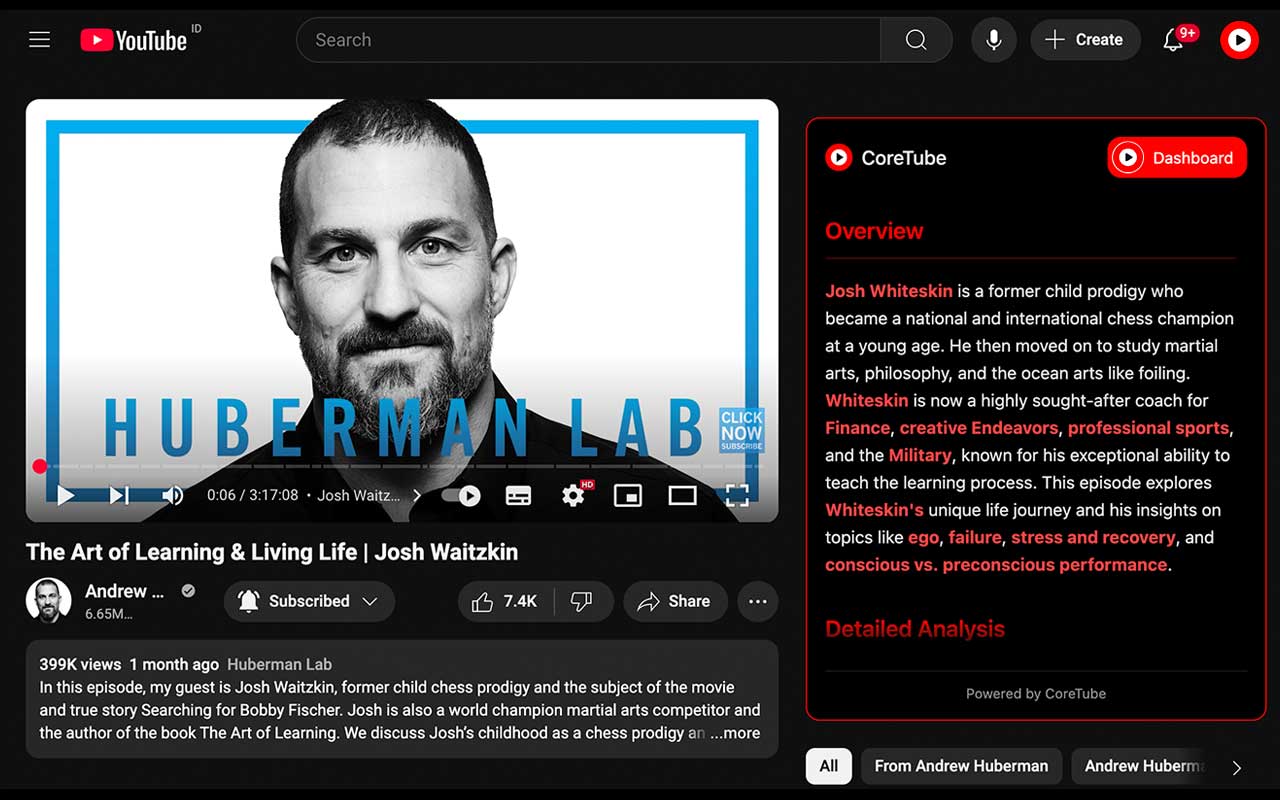
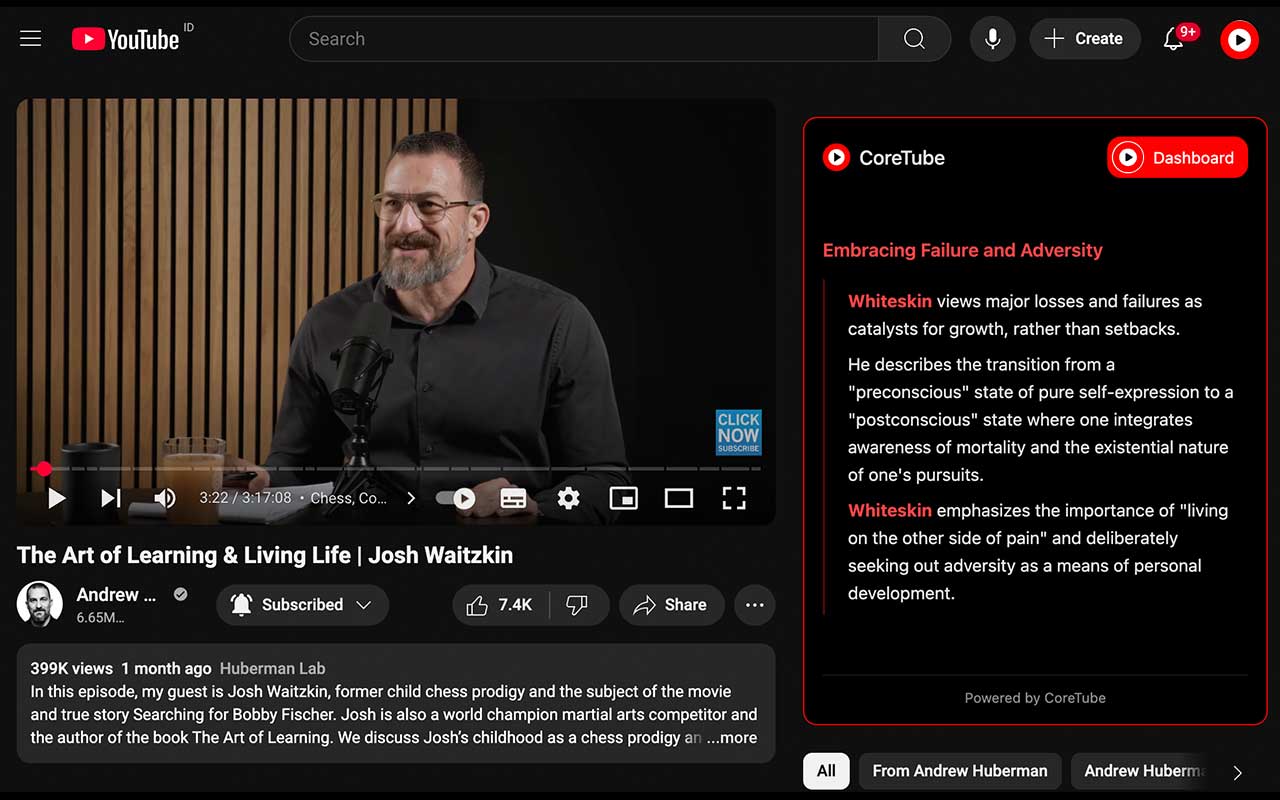
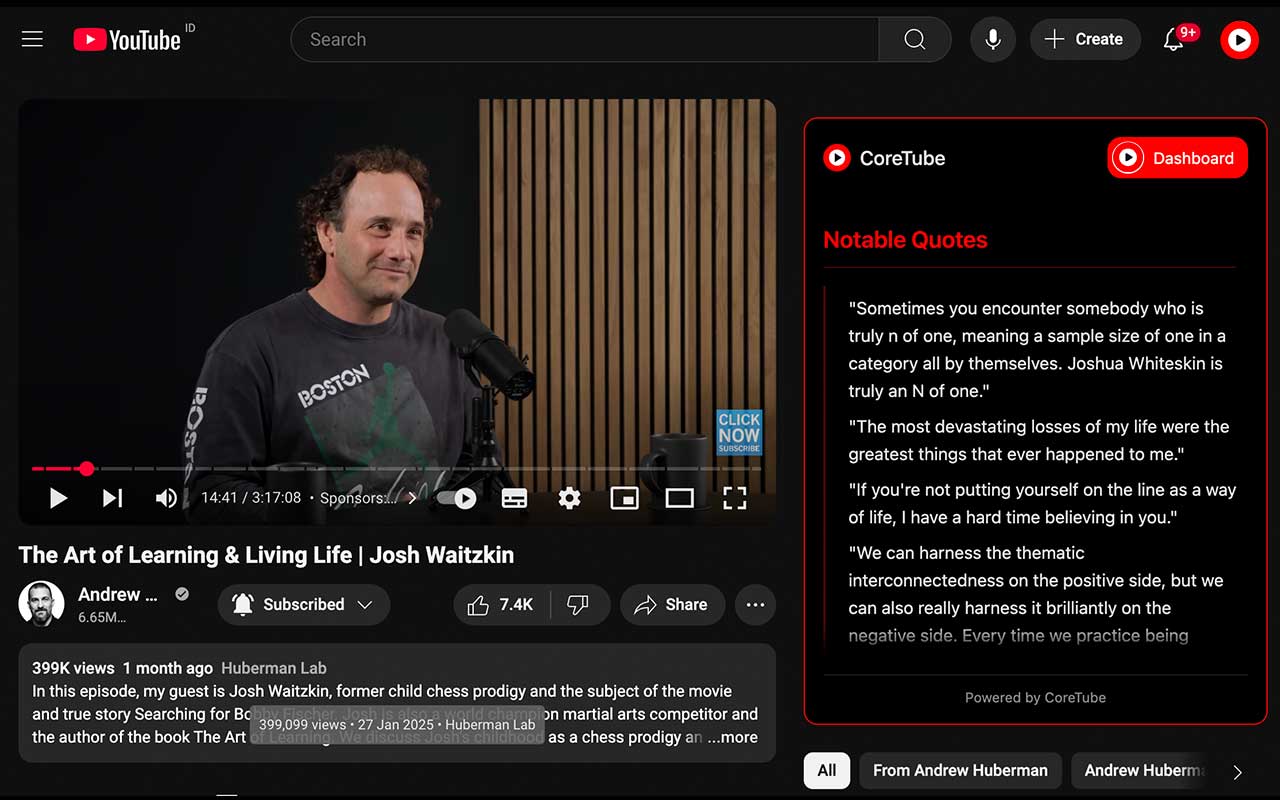
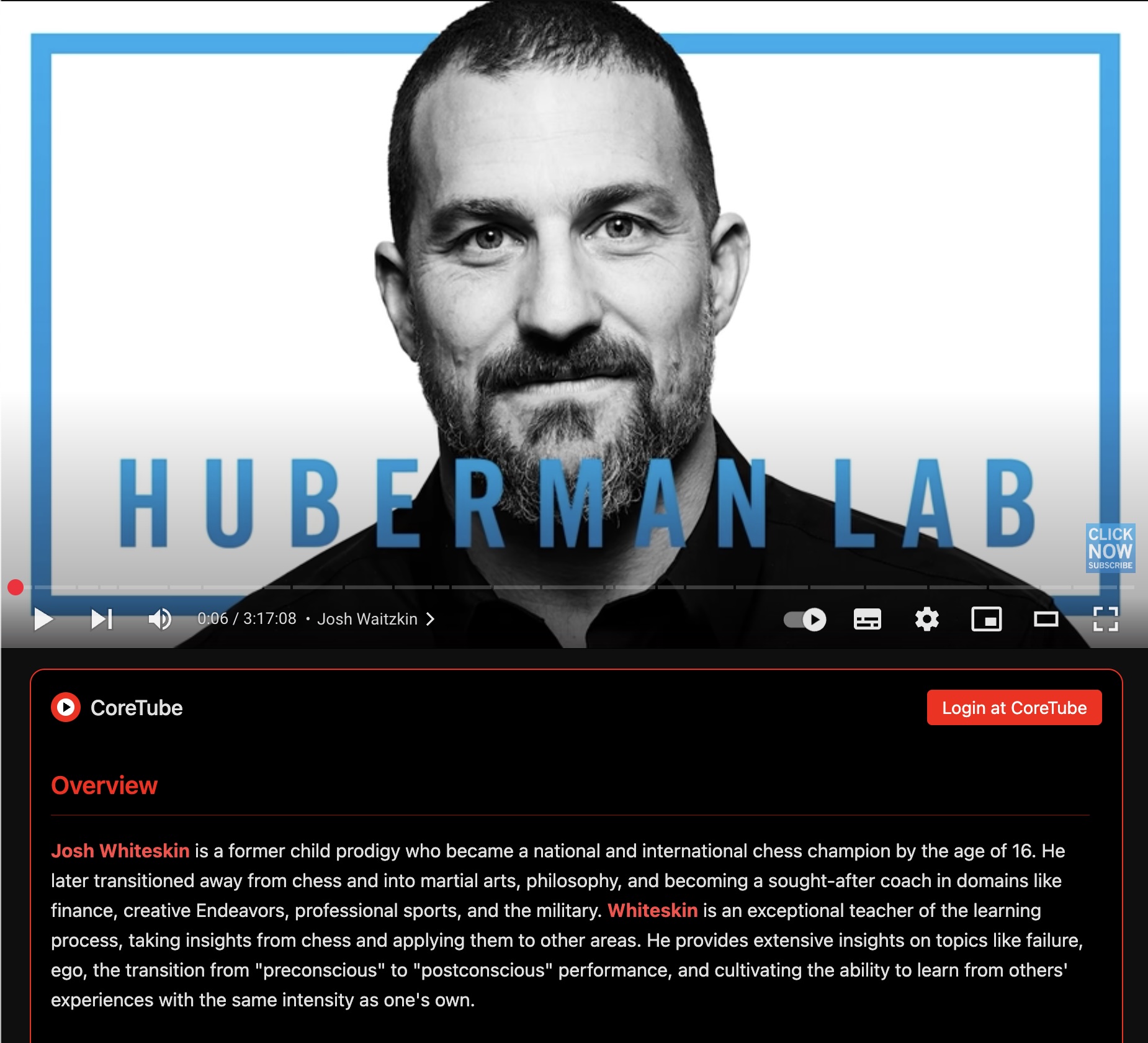
Experience YouTube like never before with our Chrome Extension. Get instant AI summaries available right where you watch. Get key insights, topics, and highlights with a single click.
- One-click summaries directly on YouTube videos
- Works with any video length or content type
- Get instant insights without leaving YouTube

Ready to Transform Your YouTube Experience?
Join thousands who get instant AI summaries while they watch.
Free Chrome extension • Free Account for email digests